By Jenni Zabel
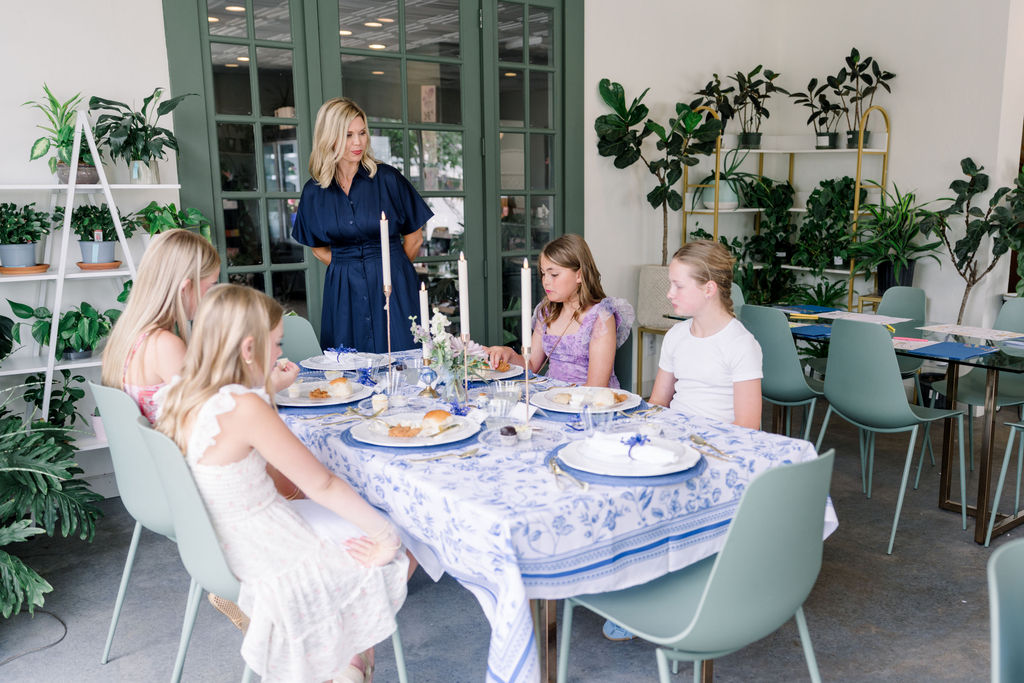
The world has changed dramatically. The way we communicate, work, socialize, and even gather around a table looks different than it did a generation ago.
But while culture evolves, consideration never goes out of style.
Modern etiquette isn’t about memorizing an outdated list of rules or knowing which fork to use at a formal dinner. At its heart, etiquette is simply the practice of making other people feel comfortable, respected, and valued.
Here are some manners that we believe still matter:
Stand When Somone Enters the Room
Standing when someone enters the room may feel like old-fashioned courtesy, but it remains a simple and meaningful way to show respect.
It acknowledges another person’s presence and communicates, without saying a word, “I see you, and you matter.”
In a culture that has grown increasingly casual, small gestures like this still make a lasting impression.
Look People in the Eye
Eye contact, a genuine smile, and a warm greeting may feel insignificant, but they communicate confidence and respect before you’ve said much at all.
Teach children to look up and say hello. Introduce yourself when you enter a new environment. Acknowledge the person standing in front of you.
Human connection still begins face-to-face.
Say Please, Thank You, and You’re Welcome
The simplest manners are often the most powerful.
Say please when you ask. Say thank you when someone does something for you. And when someone thanks you, resist brushing it aside with, “No problem.” A gracious “You’re welcome” acknowledges both the gratitude and the gesture.
Good manners don’t need to be complicated to be meaningful.
Respond
One of the most overlooked pieces of modern etiquette is simply responding.
Return the text. Answer the email. RSVP to the invitation. Let someone know when plans change. Be on time, or communicate when you won’t be.
Reliability is a form of respect.
Don’t Forget Table Manners
Yes, table manners still matter.
Knowing how to sit at a table, use a napkin, navigate a place setting, carry on conversation, and dine comfortably with others isn’t about being fancy. It’s about being prepared.
From first dates to business dinners, weddings to job interviews, the ability to confidently share a meal with others is a social skill that will serve you for a lifetime.
Practice the Lost Art of Conversation
Ask questions. Listen to the answers. Don’t interrupt. Learn how to introduce people. Remember names. Include the person standing on the edge of the group.
Interesting people know how to talk.
Memorable people know how to listen.
Remember What Etiquette Is Really About
Modern etiquette isn’t about perfection, pretension, or proving that you know all the rules. It isn’t about making yourself look better than everyone else around you.
It’s about awareness.
Who hasn’t been included? Who needs an introduction? Is my behavior making the people around me more comfortable—or less? Am I showing respect for someone’s time, space, effort, and feelings?
Those questions will take you much further than memorizing any etiquette book ever could.
At Social Graces, we believe in modern manners rooted in vintage values because while the world around us continues to change, the qualities that make someone gracious never really do.
Courtesy. Consideration. Respect. Gratitude. Confidence. Connection.
Trends will come and go.
Good manners will always matter.


add a comment